Mastering Saddle Stitched Printing: A Comprehensive Guide for Quality Newsletters and Brochures
Saddle stitched printing is a popular binding method used for creating professional-looking booklets, brochures, and newsletters. This guide will walk you through the essentials of saddle stitching, including its benefits, ideal page counts, and tips for achieving the best results.
Key Takeaways
- Saddle stitched printing is a cost-effective and visually appealing binding method, ideally suited for booklets and brochures with page counts between 8 to 64 pages.
- This binding technique allows booklets to lie flat when opened, making it advantageous for reference materials while benefiting from a quick production process and lower costs compared to other methods.
- To achieve professional results, it is essential to use the right materials, tools, and design considerations, such as maintaining proper bleeds and margins, along with optional lamination for enhanced durability.
What is Saddle Stitched Printing?
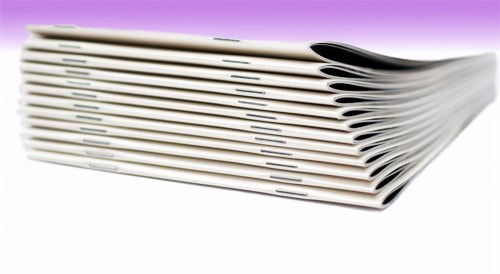
Saddle stitched printing is a widely used binding method for creating booklets and brochures. This technique involves folding sheets of paper and stapling them together along the spine, forming a secure and durable bind. The result is a sleek, professional-looking booklet that is both cost-effective and visually appealing.
Saddle stitch books typically feature a thin, small spine and a soft front and back cover, making them easy to handle and read. This method also provides various customisation options to tailor the appearance of your booklets to your branding and content needs.
Ideal Page Count for Saddle Stitched Books
When it comes to saddle stitched books, the optimal page count typically ranges from 8 to 48 pages. This range ensures that the booklet remains manageable and that the binding is secure. However, if you’re using thicker paper, the maximum page count can decrease. For instance, using 90gsm paper allows for up to 64 pages, whereas 170gsm paper reduces the limit to 48 pages.
For optimal results, keep your saddle stitched books to 48 pages or fewer. This maintains the structural integrity and ensures smooth opening and closing.
Whether you’re creating newsletters, activity books, or any other multi-page document, adhering to these guidelines will help you produce high-quality saddle stitched brochures.
Comparing Saddle Stitch Binding to Other Binding Methods
Saddle stitch binding stands out for its simplicity and cost-effectiveness compared to other binding methods such as perfect binding. The process is straightforward, involving folding sheets, placing them over a saddle-like apparatus, and stapling along the spine. This simplicity translates to lower costs and faster production times.
One of the key advantages of saddle stitching is that it allows the booklet to lie flat when opened, making it ideal for reference materials like instruction manuals and event guides. This feature is particularly beneficial for readers who need to keep the booklet open while following along with the content.
However, as the page count increases, alternative binding methods like perfect binding might become more economical due to the added shipping weight and the need for a sturdier bind. Additionally, saddle stitching is often favoured for marketing materials such as brochures, newsletters, and promotional mailers, thanks to its quick turnaround and professional finish.
Advantages of Saddle Stitch Binding
One of the most significant advantages of the saddle stitch binding method is its cost-effectiveness. Compared to other binding styles, saddle stitching requires minimal materials and labor, making it a budget-friendly option for both small and large print jobs. This efficiency translates to lower production costs, allowing businesses to allocate their budgets more effectively.
Another notable benefit is the quick production process. Saddle stitching is known for its fast turnaround times, which can be crucial for projects with tight deadlines. Additionally, publications created using this method can open flat, providing a seamless and enjoyable reading experience. This feature is particularly beneficial for brochures and booklets that require a continuous spread across pages.
Combining cost-effectiveness, speed, and readability, saddle stitch binding is an excellent choice for various printed materials, from newsletters to promotional brochures.
Design Tips for Effective Saddle Stitched Brochures
Creating an effective saddle stitched brochure requires careful attention to design elements. Striking visuals can significantly capture reader attention and enhance engagement. Utilising a cohesive colour palette that matches the brochure’s theme can also elevate the overall design impact.
Proper alignment and spacing of text elements are crucial for readability and aesthetic appeal. Ensuring adequate margins helps maintain a clean look and prevents content from being cut off during trimming.
Incorporating these design tips will help you create professional-looking saddle stitch books that effectively communicate your message.
Enhancing Durability: Lamination Options
Lamination is an excellent way to enhance the durability and appearance of saddle stitched booklets. Different types of lamination include gloss, matte, and soft touch finishes. Gloss lamination provides a shiny finish that is resistant to dirt and smudges, making it a popular choice for many printed materials.
Alternatively, matte laminate offers scuff resistance while maintaining a flat appearance. Soft touch matte laminate gives a softer feel but may dull the appearance of darker colours.
Regardless of the type chosen, lamination adds an extra layer of protection to the covers, ensuring that your saddle stitched brochures remain in pristine condition for longer.
How to Prepare Artwork for Saddle Stitched Booklets
Preparing artwork for saddle stitched booklets requires careful consideration of several factors. Ensure that your artwork includes a bleed area of 3mm to prevent any loss of image during trimming. Text and important graphics should remain at least 4mm inside the trim edge to avoid being cut off.
Images should be provided at a resolution of 300 dpi to guarantee high-quality printing. Additionally, all colours in the document should be formatted in CMYK to ensure accurate colour reproduction during the printing process. Files are typically accepted in PDF format, but other formats like InDesign may also be permitted if they are properly packaged.
Clear margins and careful consideration of the fold line are essential to prevent important content from being obscured. Adhering to these guidelines ensures your saddle stitched brochures are visually appealing and professionally produced.
Production and Turnaround Time
The production time for saddle-stitched booklets ranges from 3 to 8 days depending on the quantity and complexity of the project. Lower page counts typically result in quicker production times, making simpler projects faster to complete. Testing the design through sample prints can help identify potential issues before final production, avoiding delays.
Using a self-cover option can expedite production as it eliminates the need for separate cover runs. Shipping methods greatly impact the overall turnaround time, influencing how quickly the final product can be delivered. Saddle stitch binding generally has a quicker turnaround time compared to perfect binding, making it a preferred choice for time-sensitive projects.
Common Uses for Saddle Stitched Printing
Saddle stitched printing is incredibly versatile, making it suitable for a wide range of document types. Common uses include instruction manuals, theatre programs, and event guides. Saddle stitched books are also ideal for creating school workbooks, activity books, brochures, catalogs, and event programs.
Brochures are particularly effective for getting brands in front of people, as they provide a tangible product that readers can engage with directly. This makes saddle stitched printed materials a powerful tool for direct engagement and marketing efforts.
Cost Considerations for Saddle Stitched Projects
Saddle stitch binding is often more economical, which can lead to reduced costs related to production time. This binding method remains affordable for both small and large print jobs due to minimal initial setup costs. Saddle stitch binding is especially cost-effective for shorter print runs, keeping overall project costs lower.
The simplicity and efficiency of saddle stitch binding contribute to fast and efficient turnarounds, making it a favorable choice for businesses looking to produce high-quality printed materials without breaking the bank. Cost components for saddle stitching include printing variations based on paper quality and page quantity, further contributing to its appeal.
Why Use Sussex Print?
Saddle stitched booklets provide an economical way to produce printed materials, and Sussex Print specialises in delivering high-quality saddle stitched projects. The saddle stitch method is not only cost-effective but also versatile, offering a professional appearance suitable for various marketing and promotional materials.
The benefits of using Sussex Print include low minimum order requirements, fast turnaround times, and the flexibility to produce custom sizes. Applying lamination improves both the durability and aesthetic appeal of saddle-stitched booklets, ensuring that your printed materials stand out.
Summary
In summary, mastering the saddle stitch binding method can significantly enhance the quality and appeal of your printed materials. From cost-effective production and fast turnaround times to professional finishes and versatility, saddle stitching offers numerous benefits for creating high-quality newsletters, brochures, and more.
We encourage you to leverage the tips and insights shared in this guide to produce stunning and durable printed materials. Whether you choose to work with Sussex Print or another provider, understanding and utilising saddle stitch binding will undoubtedly elevate your printed projects.
Frequently Asked Questions
What are saddle stitched booklets ideal for?
Saddle stitched booklets are ideal for projects with a page count of 8 to 64, making them perfect for items like manuals, brochures, or event programs. They offer a cost-effective and professional presentation for smaller publications.
What are the artwork requirements for saddle stitched booklets?
For saddle-stitched booklets, ensure your artwork has a 3mm bleed, a 5mm safe zone, a minimum resolution of 300 dpi, is in PDF format, uses CMYK colour, and has fonts outlined or embedded. Meeting these requirements will help achieve a professional final product.
What is the maximum number of pages for saddle stitched booklets?
The maximum number of pages for saddle-stitched booklets is generally around 64 pages, though this can vary based on the paper stock's weight and thickness. Heavier stocks may limit this number due to increased bulk causing the finished book to spring open.
How does lamination affect saddle stitched booklets?
Lamination significantly enhances the durability and visual appeal of saddle-stitched booklets, with gloss options adding a shiny finish and matte options delivering a smooth texture. This can elevate the overall quality, reduce scratching of the cover and perception of your booklets.
Why is saddle stitch binding considered cost-effective?
Saddle stitch binding is considered cost-effective because it utilises minimal materials and labor, resulting in quicker production times and lower overall costs. This efficiency makes it an ideal choice for budget-sensitive projects.