Top Tips for Designing Leaflet to Captivate Your Audience
Want to create a leaflet that stands out and delivers your message? This article provides practical tips on designing a leaflet that grabs attention and drives action. You’ll learn key techniques on understanding your audience, choosing the right design elements, and crafting compelling content for designing a leaflet that truly resonates.
Key Takeaways
- Understanding your target audience is critical for designing effective leaflets that resonate and prompt engagement.
- Selecting appropriate design elements, including colours, fonts, and layout, is essential for conveying your message clearly and attractively.
- Utilizing high-quality images and crafting concise content with a clear call to action greatly enhance leaflet effectiveness and audience response.
Understanding Your Target Audience
Grasping your target audience is vital for creating a resonant eye catching leaflet design. Designing with your target group in mind ensures your advertisement reaches the right people and compels them to share it.
Consider factors such as age, language, and preferences when defining your target audience. For instance, leaflets generally attract a more mature audience, especially for local businesses engaged in their community. Tailoring your leaflet content specifically to audience preferences can be achieved through a data-driven design approach, which analyses consumer behavior to better understand what appeals to your potential customers.
The rise of personalised print options allows businesses to create unique leaflets tailored to individual customer preferences. Identifying your target audience allows you to tailor the leaflet’s design and messaging effectively, ensuring it resonates and prompts action.
Choosing the Right Design Elements

Selecting the right design elements is crucial in leaflet design. Colours, fonts, and layout are critical components that can make or break your design. Colours, for example, influence emotions and purchasing decisions; red conveys urgency, while blue signifies trust. Simple and readable colours ensure your message is conveyed without distractions.
Fonts significantly impact readability and brand perception. Here are some key points to consider:
- Sans serif fonts are often preferred for their modern appeal.
- Clear, legible text is essential; avoid small fonts and distracting colours.
- A visual hierarchy through font size and colour guides readers in identifying important information.
An effective layout, such as the Z-pattern, ensures key information is easily noticed. Balancing text and visuals is essential; too much text can overwhelm, while excessive visuals may dilute the message. Incorporating images enhances the visual appeal by adding colour and making it more attractive to readers.
Utilising High-Quality Images

High-quality imagery is fundamental to effective leaflet design. Eye catching images enhance visual appeal and capture the audience’s attention effectively. Own images communicate messages without overwhelming text, making them essential for successful design.
High-quality, high-resolution images are necessary to showcase products or services effectively. Use images from extensive libraries like Canva, which provides both free images and premium options. This keeps your leaflet visually appealing and professional.
Crafting Compelling Content
Content is paramount in marketing materials. A clear call to action (CTA) encourages reader engagement and directs the audience on next steps. Contrasting colours or button styles can make your CTA stand out.
The AIDA (Attention, Interest, Desire, Action) model is a proven framework for compelling CTA copy. Action-oriented words significantly boost audience response and engagement. A/B testing different CTAs helps determine the most effective approach for your audience.
Concise and impactful content is crucial. Unnecessary details overwhelm readers; focus on key information only. Catchy, concise headlines grab attention and should be paired with essential contact details to encourage potential customers to reach out with just a few clicks.
Exploring Templates and Customisation
Using templates and customisation can significantly enhance your leaflet design process. Pre-designed templates save time, allowing users to focus on personalising content. This can be a cost-effective solution, especially for individuals and small businesses, avoiding the high costs of hiring professional designers.
Templates are accessible to non-designers, offering a user friendly interface with tools for text editing, image changes, and colour adjustments. Platforms like Canva allow customisation of images, logos, colours, and rearrangement of elements to create your ideal design. This ensures a unique look while maintaining brand consistency.
Proofreading and Editing
Proofreading and editing are crucial in leaflet design. Avoiding unprofessional mistakes from spelling errors and poor grammar is essential. Neglecting proofreading can result in costly errors when printing large quantities of leaflets.
Effective proofreading checks for spelling, clarity, and coherence in the content. A fresh perspective from someone unfamiliar with the content can enhance the proofreading process. Verifying all factual information, such as dates, phone numbers and prices, is accurate before printing is crucial.
Printing Options and Paper Types
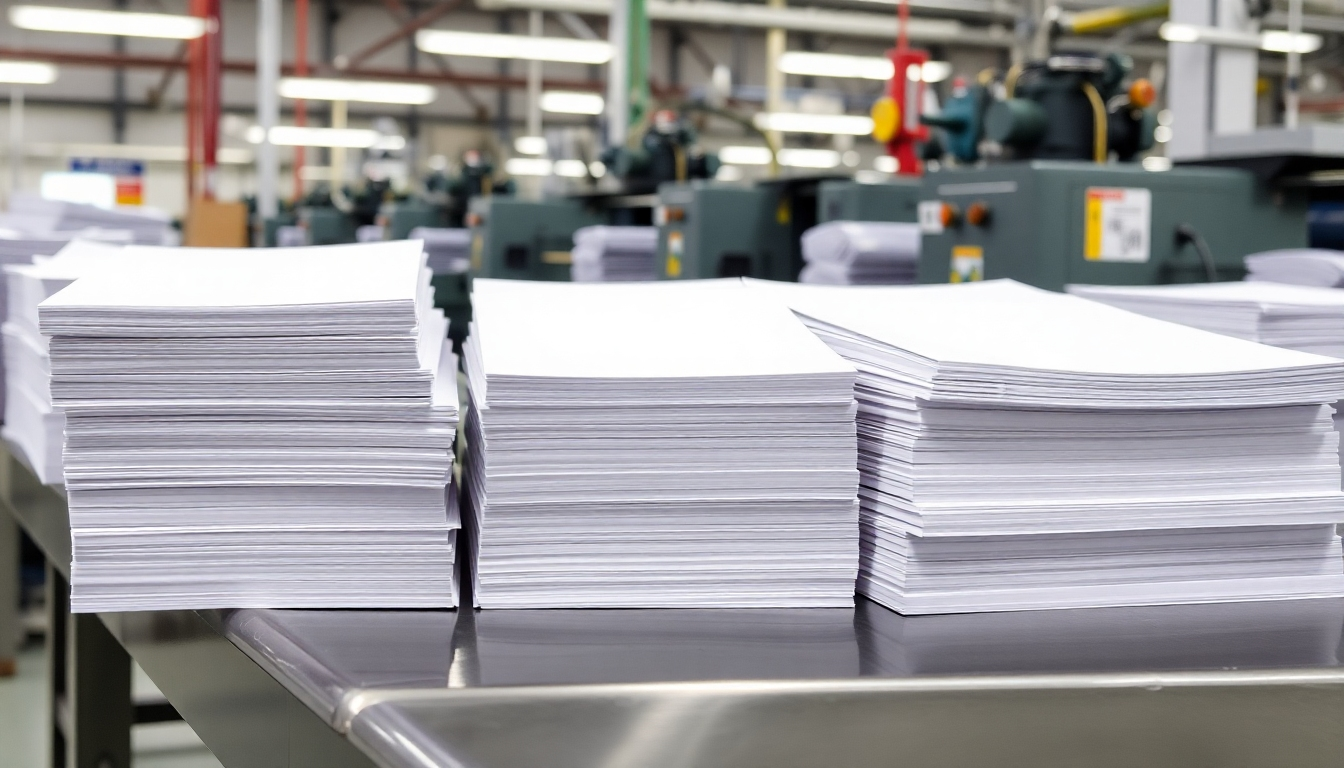
Printing options and paper types greatly affect the final output of your leaflet. Uncoated paper is suitable for business meetings as it allows easy note-taking. Glossy paper enhances vibrant colours, making it ideal for visually striking brochures.
Silk paper provides a luxurious feel and is suitable for writing during presentations. The weight of leaflet paper, measured in grams per square meter (gsm), affects durability. Choosing the right paper type and finish, whether glossy or silk, enhances the leaflet’s visual appeal.
Measuring Success
Measuring the success of your leaflets maximises investment and improves future campaigns. Offering an incentive, such as a discount for mentioning the flyer, is an effective method to gauge leaflet response.
A QR code leading to a dedicated landing page allows tracking the number of visitors who engage after receiving the leaflet. A feedback form on the leaflet collects responses, helping measure the campaign’s effectiveness.
Identifying the right audience maximises the return on investment for leaflet campaigns.
Avoiding Common Mistakes
Avoiding common mistakes in leaflet design is essential for effective flyers and marketing materials. A common mistake is creating a flyer that appeals personally rather than considering the target audience. Overloading the leaflet with content and poor design choices detracts from its effectiveness.
Cramming too much information into a small space leads to a cluttered layout, making it hard to read. Too many visuals can overwhelm the leaflet; maintain a clear layout. Proofreading is crucial to avoid spelling mistakes that undermine professionalism.
Why Use Sussex Print Ltd?
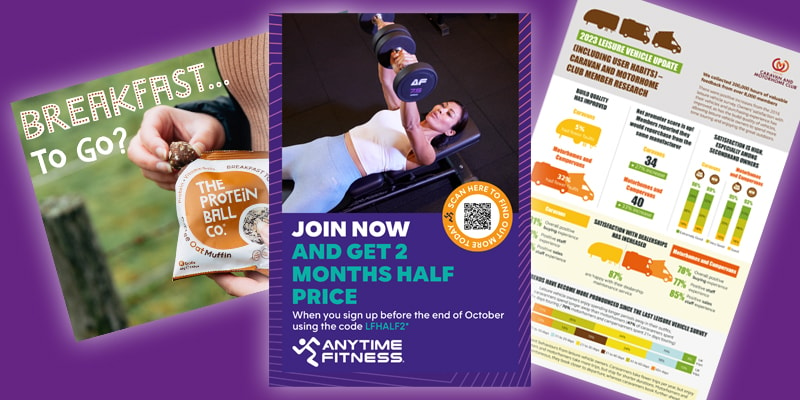
Sussex Print Ltd provides affordable prices for leaflet printing, enabling businesses to reach a wide audience without high costs. Their service includes a range of paper options, allowing customers to choose materials that best fit their promotional needs.
Sussex Print Ltd offers various finishing options, such as glossy or matt laminate, enhancing the leaflet’s visual appeal. They offer a selection of leaflet sizes and folds, allowing customisation based on content and distribution strategy.
With online design tools, users can create customised leaflets that reflect their brand identity. High-quality printing ensures the final product is professional and visually appealing, enhancing the overall flyer design.
Summary
In summary, designing an effective leaflet requires a deep understanding of your target audience, the right design elements, high-quality images, and compelling content. Utilising templates and customising them to fit your brand can save time and ensure consistency. Proofreading and choosing the right printing options are critical steps to avoid costly mistakes.
By following these tips, you can create leaflets that captivate your audience and drive action.